How DK Shivakumar Stole the Show in Front of PM Modi, Turning Bengaluru Launch into Karnataka’s Charter of Demands
By Neetha Bopaiah | Bangalore Mail
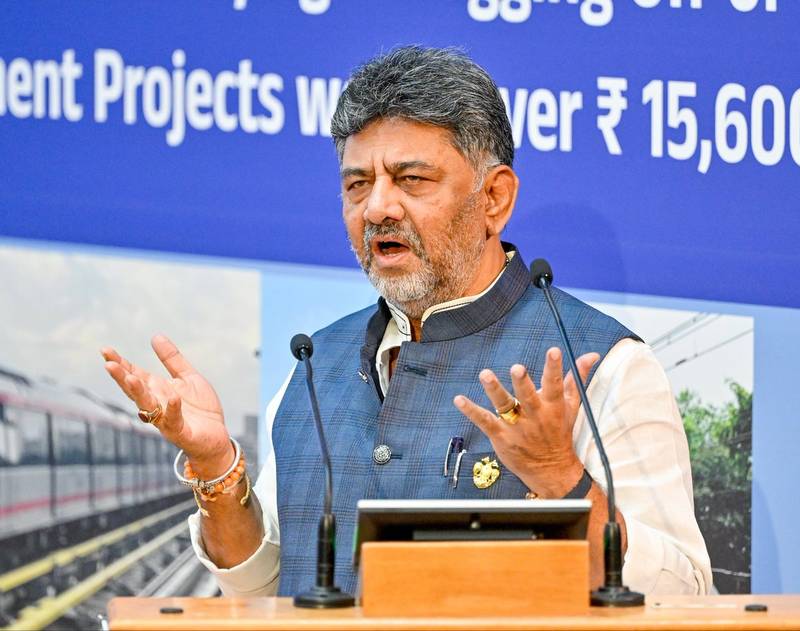
BENGALURU: Political stages shared by rival leaders often produce stiff protocol and predictable pleasantries. Yet during Prime Minister Narendra Modi’s high-profile visit to Karnataka on November 13, Chief Minister D.K. Shivakumar flipped the script entirely. Delivering what political observers are calling one of the most compelling speeches of his career, Shivakumar used the spotlight at the Namma Metro Pink Line inauguration and subsequent state events to place Karnataka’s urgent developmental needs directly before the Prime Minister.
Instead of treating the occasion as a routine ribbon-cutting ceremony, the Chief Minister transformed the platform into a masterclass in assertive federalism. With poise, sharp data, and a firm yet respectful tone, he ensured that the narrative of the day belonged not just to ceremonial launches, but to Karnataka’s rightful share in national growth.
Turning Protocol into a Policy Pitch
Sharing the stage with Prime Minister Modi at the Pink Line Metro launch—a milestone that pushed Bengaluru’s metro network past the 100-kilometre mark—Shivakumar welcomed the Centre’s partnership while immediately pivoting to the ground realities facing India’s tech capital.
Speaking fluently in English so his message resonated far beyond state borders, Shivakumar drew a clear line between political rivalry and public duty. He reminded the gathering that while parties compete at the ballot box, governance demands seamless cooperation. Looking directly toward the Prime Minister, he candidly noted that Karnataka’s rapid expansion comes with heavy financial strain, urging New Delhi to step in as an equal partner rather than leaving the state to shoulder disproportionate costs.
Bengaluru’s Infrastructure and Metro Funding Overhaul
A centerpiece of Shivakumar’s address was the financial architecture of urban transit. While celebrating Bengaluru’s 103-kilometre operational metro milestone and outlining a vision to scale the network to 500 kilometres, he pointed out a glaring fiscal imbalance.
Bullet Fairer Cost-Sharing: Shivakumar argued that Metro funding cannot remain “50:50 on paper” while the state bears the overwhelming burden of land acquisition, state taxes, and debt servicing.
Bullet Urgent Corridor Clearances: He pressed for swift central approval for the vital Sarjapur–Hebbal Metro corridor to decongest Bengaluru’s choked IT arteries.
Bullet Double-Decker Flyovers: Highlighting that Bengaluru’s road network covers barely 8 percent of its area—compared to 18 to 20 percent in peer cities—and that land acquisition costs nearly ₹50,000 per square foot, he pitched joint Centre-state funding for integrated double-decker flyover-cum-metro corridors.
Championing Rural Karnataka, Water Security, and Farmers
Shivakumar’s speech stood out because it refused to limit Karnataka’s story to Bengaluru’s skyline. Across the day’s engagements in Bengaluru and Mysuru, he wove urban ambition together with rural distress, presenting a holistic charter of state priorities:
1. Mekedatu Balancing Reservoir: Citing the Supreme Court’s legal clarity, he urged the Prime Minister to expedite final forest and environmental clearances from the Union government for the Mekedatu project, calling it a lifeline for drinking water and regional stability.
2. Drought Relief and Farmer Distress: Pointing to severe monsoon deficits that have strained reservoirs and driven agricultural power consumption up from ₹20,000 crore to ₹30,000 crore, he pressed for the release of pending drought relief funds and stronger price protections for sugarcane growers.
3. Western Ghats and Rural Education: He called on the Centre to respect Karnataka’s unanimous assembly resolution opposing the Kasturirangan report on the Western Ghats, and sought revised Corporate Social Responsibility (CSR) guidelines so corporate funds can directly upgrade government primary schools in villages.
A Defining Moment in a Seasoned Career
What made the speech a standout moment in Shivakumar’s decades-long political journey was its calibration. There was no confrontational grandstanding, yet there was zero hesitation. Even as the Prime Minister later engaged in warm optics—holding Shivakumar’s hand during the train flag-off and sharing lighter moments—the Chief Minister had already locked the headlines around Karnataka’s policy checklist.
By blending statesmanship with hard-nosed advocacy, D.K. Shivakumar demonstrated how a regional leader can command a national stage. For Karnataka’s citizens watching closely, it was more than a speech—it was a bold, articulate reminder that the state’s engines of growth deserve matching support from New Delhi.