DK Shivakumar Urges CEC for Karnataka SIR Deadline Extension Amid Mass Voter Exclusion Concerns
Byline: Political Bureau, Bangalore Mail
Published: August 26, 2026 | Location: Bengaluru
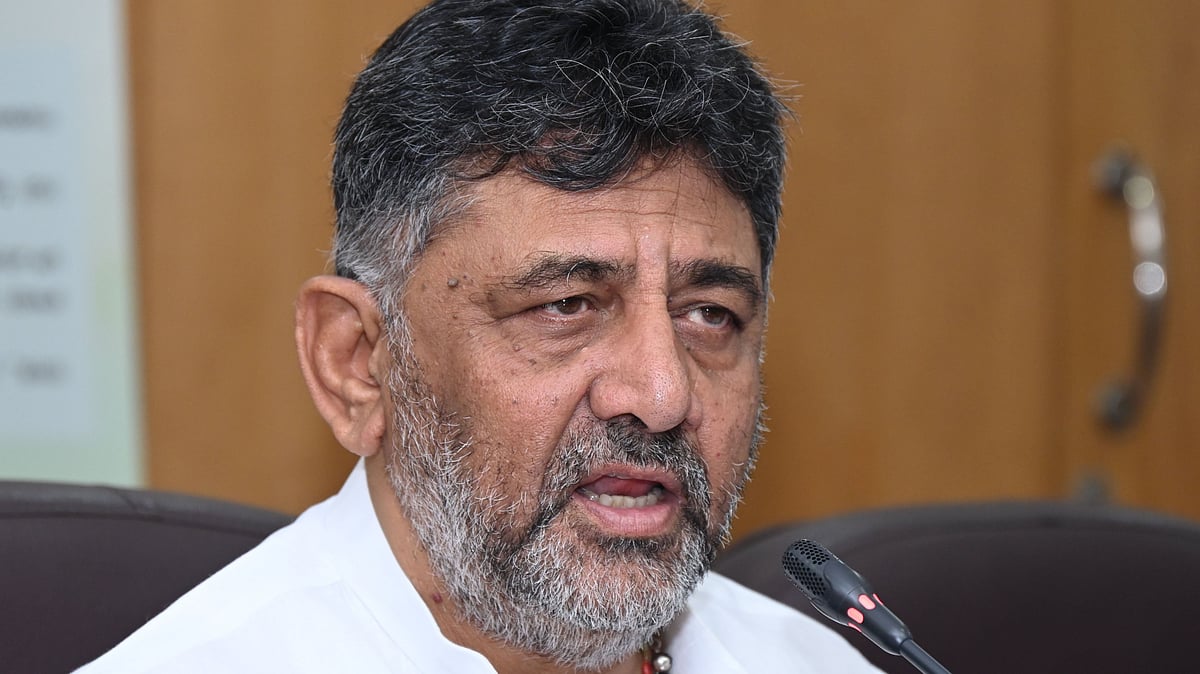
BENGALURU: Expressing deep concerns over the potential disenfranchisement of lakhs of eligible voters across the state, Karnataka Chief Minister D.K. Shivakumar has written a formal letter to Chief Election Commissioner (CEC) Gyanesh Kumar. The Chief Minister requested an immediate extension of the deadline for filing claims and objections following the publication of the draft electoral rolls under the Special Intensive Revision (SIR) exercise.
Highlighting the magnitude of the issue, Shivakumar flagged “alarming numbers” after the draft voter list revealed that over 1.08 crore electors—nearly one in every five registered voters in Karnataka—have been categorized under the ASDDO (Absent, Shifted, Dead, Duplicate, and Others) list. Furthermore, approximately 43.8 lakh electors are slated to receive verification notices due to “logical discrepancies” or an unverified link to the 2002 electoral roll.
The capital city is significantly affected, with 46.88 lakh electors marked under the ASDDO category in Bengaluru alone.
Key Demands Made to the Election Commission
In his communication to the poll body, the Chief Minister outlined four major interventions to safeguard democratic participation:
1. Extension of the Claims and Objections Period: Provide sufficient time for citizens missing from the draft rolls, especially those under the ASDDO category, to verify their status and submit claims.
2. Adequate Notice Response Time: Ensure voters flagged for logical discrepancies or lacking 2002 roll links get at least 3 to 4 weeks to respond to notices and submit supporting documents.
3. Grassroots Verification Meetings: Direct the State Chief Electoral Officer (CEO) to strictly conduct Gram Sabhas in rural regions and Ward Committee meetings in urban zones, backed by extensive public awareness campaigns.
4. Administrative Reinforcements: Appoint additional Electoral Registration Officers (EROs) and District Election Officers (DEOs) to handle the surge in verification applications smoothly without errors.
Mobility Must Not Lead to Disenfranchisement
Addressing the reality of dynamic urban demographics, Shivakumar emphasized that temporary relocation or missing a booth-level officer’s visit should not strip citizens of their right to vote.
“Mobility, poverty, lack of documentation, or lack of information must not become reasons for disenfranchisement,” Chief Minister D.K. Shivakumar wrote in his letter. “The objective must be a voter roll that is accurate, trusted and, above all, one that ensures that no genuine voter is left out.”
He noted that many electors listed under the ‘Absent’ category might be legitimate citizens who were away for employment or health reasons during door-to-door enumeration. Unlike voters flagged for logical discrepancies, those in the ASDDO category do not automatically receive individual notices, leaving them unaware of their potential deletion from the roll.
State Government Assures Full Support
The Chief Minister reaffirmed that the Government of Karnataka is fully committed to assisting election officials in carrying out a fair and exhaustive verification drive. The state administration is ready to mobilize local machinery for Ward Committee and Gram Sabha sessions and provide public relations support to reach affected citizens.
With compressed timelines risking widespread administrative oversights, the state government awaits a response from the Election Commission of India to adjust the timeline and ensure every eligible voter in Karnataka remains on the electoral roll.