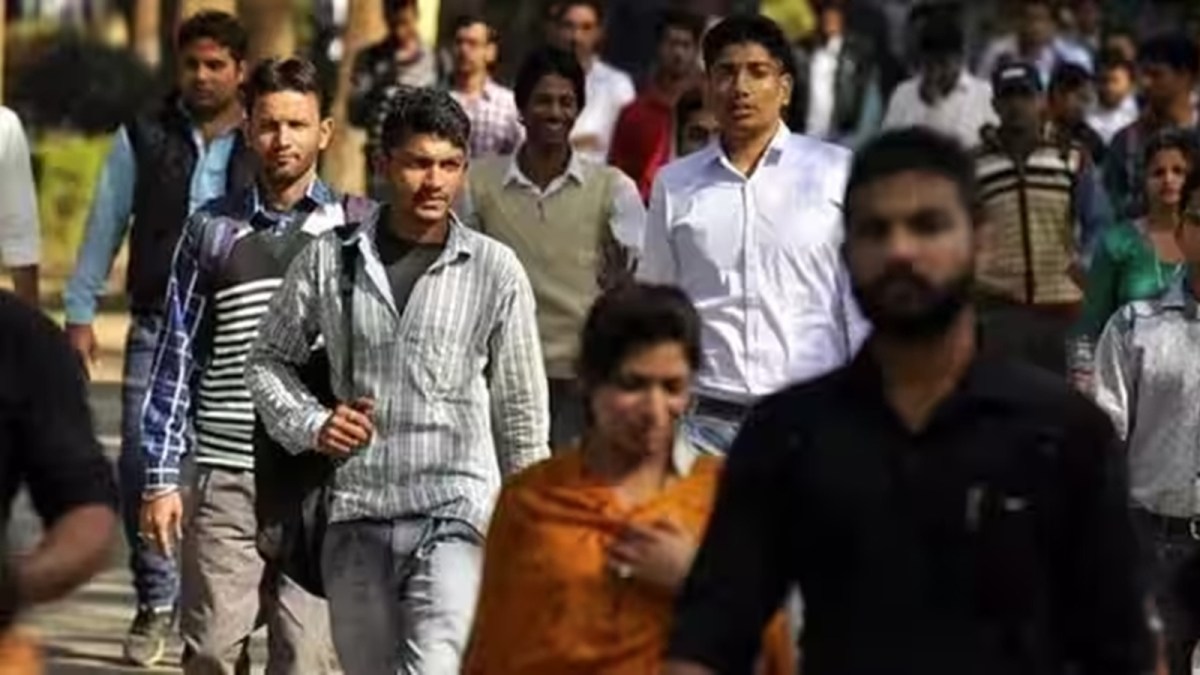
Staggering 23% of Karnataka Youth Under 35 Neither Working Nor Studying: Report
Bangalore Mail News Desk
Published: July 9, 2026
BENGALURU: A sobering new study has exposed severe regional disparities and employment gaps within Karnataka, revealing that nearly 23% of the state’s youth workforce under the age of 35 is currently neither employed nor enrolled in any educational or training program.
According to the newly released ‘Karnataka State Handbook on Youth Opportunity’, a lack of local job opportunities and inadequate training facilities are driving massive rural-to-urban migration. This influx is putting an unprecedented strain on the state capital, Bengaluru.
The comprehensive report, compiled by the Future of India Foundation, features a unique “YouthPOWER” score card for districts. The study synthesized 180 indicators pulled across 27 different government databases to rank districts on five key parameters: education, readiness/skilling, opportunities, work, and workforce participation across sectors.
Deep Regional Divide: Yadgir vs. Bengaluru Urban
While Karnataka boasts a highly prosperous economy driven by a world-class technology hub, the report highlights that this wealth is starkly concentrated. Karnataka scored an overall 48.5 on the opportunity scale—just shy of the national average of 50. However, the internal disparities are massive.
The backward district of Yadgir languished with a low score of 42, whereas Bengaluru Urban predictably topped the chart with a score of 65. Because formal sector employment is heavily concentrated in and around Bengaluru, youth from distant districts are being forced to leave their homes in search of a sustainable livelihood.
On a broader scale, the report notes that 42% of Karnataka’s youth are active in the workforce, 35% are studying or in training, and 44% hold regular salaried positions. Encouragingly, the state’s youth unemployment rate fell from 15.8% in 2017–18 to 8.6% by 2025, and real monthly wages have jumped by 23%. Yet, a massive chunk of the population remains left behind.
Major Barriers Facing Women and The Economy
Despite government initiatives like the Shakti scheme—which provides free bus travel for women to encourage workforce participation—the report uncovered persistent, deep-rooted gender barriers across Karnataka.
• Mobility Restrictions: In 20 out of 31 districts, women are widely restricted from traveling alone even to local markets, clinics, or outside their immediate community. In districts like Belagavi, Chitradurga, Hassan, and Dharwad, high newspaper readership among women does not equate to personal liberty; most are still denied independent mobility.
• Workforce Deficit: Only one in four young women in Karnataka is currently part of the workforce, and graduate unemployment among women sits at a troubling 24%.
Crisis in ITIs and Misdirected Credit
The handbook also raises a red flag regarding the quality of Karnataka’s widespread Industrial Training Institutes (ITIs). Despite having one of India’s largest technical training networks, nearly half of all instructor positions are vacant. Compounding the issue, only 25% of registered enterprises accept apprentices, leading to high dropout and non-completion rates in districts like Kalaburagi, Bagalkot, Bidar, and Davangere.
Furthermore, banking data shows that in districts like Mysuru and Udupi, bank credit leans heavily toward personal consumption loans rather than funding agricultural, industrial, or trade enterprises. This misdirection prevents capital from reaching businesses that could generate local, sustainable jobs.
The Path Forward
To bridge these alarming gaps, the report outlines four immediate recommendations:
1. Thoroughly preparing young people for the modern workforce by turning education into actual skills.
2. Actively supporting local enterprise.
3. Generating decentralized, local jobs outside Bengaluru.
4. Prioritizing youth-centric policies in district-level governance.