Kalagrama Grave Controversy: Legal Notice Demands Relocation of Famous Graves from Bengaluru’s Cultural Hub
By Political Bureau
Bangalore Mail
BENGALURU: Legal trouble has hit Bengaluru’s premier cultural center, Kalagrama, as Advocate N.P. Amrutesh issued a formal legal notice to Karnataka government authorities demanding the immediate relocation of several high-profile graves from the complex.
The notice targets the final resting places of renowned literary and cultural figures, including Jnanapith awardee U.R. Ananthamurthy, Rashtrakavi G.S. Shivarudrappa, iconic poet Siddalingaiah, and legendary environmentalist Saalumarada Thimmakka.
A Growing Legal Dilemma Over Cultural Space
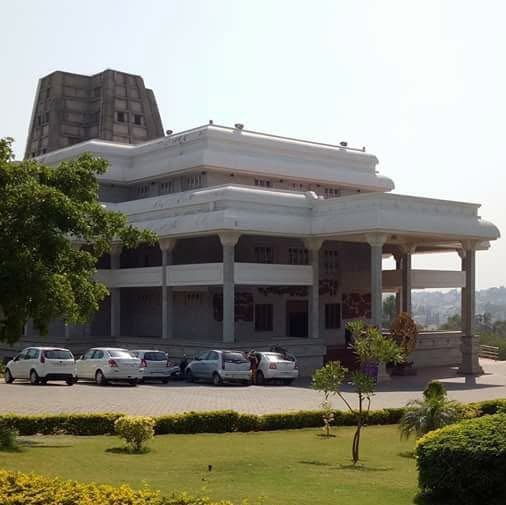
Kalagrama, located near Nagarbhavi, was established as a dedicated sanctuary to promote Karnataka’s rich heritage, theater, and arts. However, critics argue that using the public space for state honors and burials has compromised its primary objective.
Advocate Amrutesh previously raised legal objections against performing final rites within the cultural hub. In response to public concern and legal challenges, the Karnataka state government issued an official order in 2021 prohibiting any further burials or cremations inside the Kalagrama premises.
Despite the explicit 2021 ban, state honors and the burial of environmentalist Saalumarada Thimmakka were conducted at the venue in 2025. Critics point to this move as a clear violation of government directives driven by political expediency.
30-Day Deadline Issued to Government
In his latest legal notice, Amrutesh gave state authorities a strict 30-day ultimatum to relocate the existing graves to an alternative designated memorial ground.
“A space built to celebrate living culture, performance, and public art cannot be converted into a cemetery for political mileage,” the notice highlights, urging state departments to restore Kalagrama strictly for public artistic activities.
Failure to act within the stipulated timeframe could lead to further judicial action in the High Court of Karnataka, raising fresh pressure on state officials to resolve the conflict between honoring cultural icons and upholding public land regulations.