DK Shivakumar Set to Take Charge as Chief Minister of karnataka
By Bangalore Mail Political Burea
Bengaluru / New Delhi
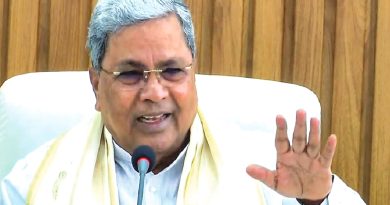
BENGALURU: In what is turning out to be the most significant political reset in Karnataka since the 2023 Assembly elections, Senior Congress leader D.K. Shivakumar is poised to become the next Chief Minister of Karnataka. Word from highly placed party circles suggests that the incumbent Chief Minister, Siddaramaiah, has agreed to step down following a series of intense, high-stakes interventions from Rahul Gandhi and the Congress high command in New Delhi.
For nearly three years, Karnataka politics has operated under a shadow arrangement. The state lived with one government but two distinct power centres, leaving a persistent question lingering over the Vidhana Soudha: When will DK Shivakumar get the chair?
Now, it appears Delhi has finally made the definitive call.
The Delhi Parleys: Reading Between the Lines
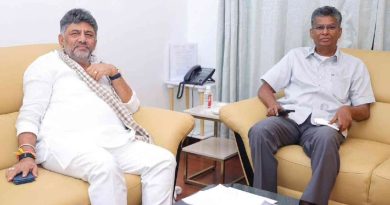
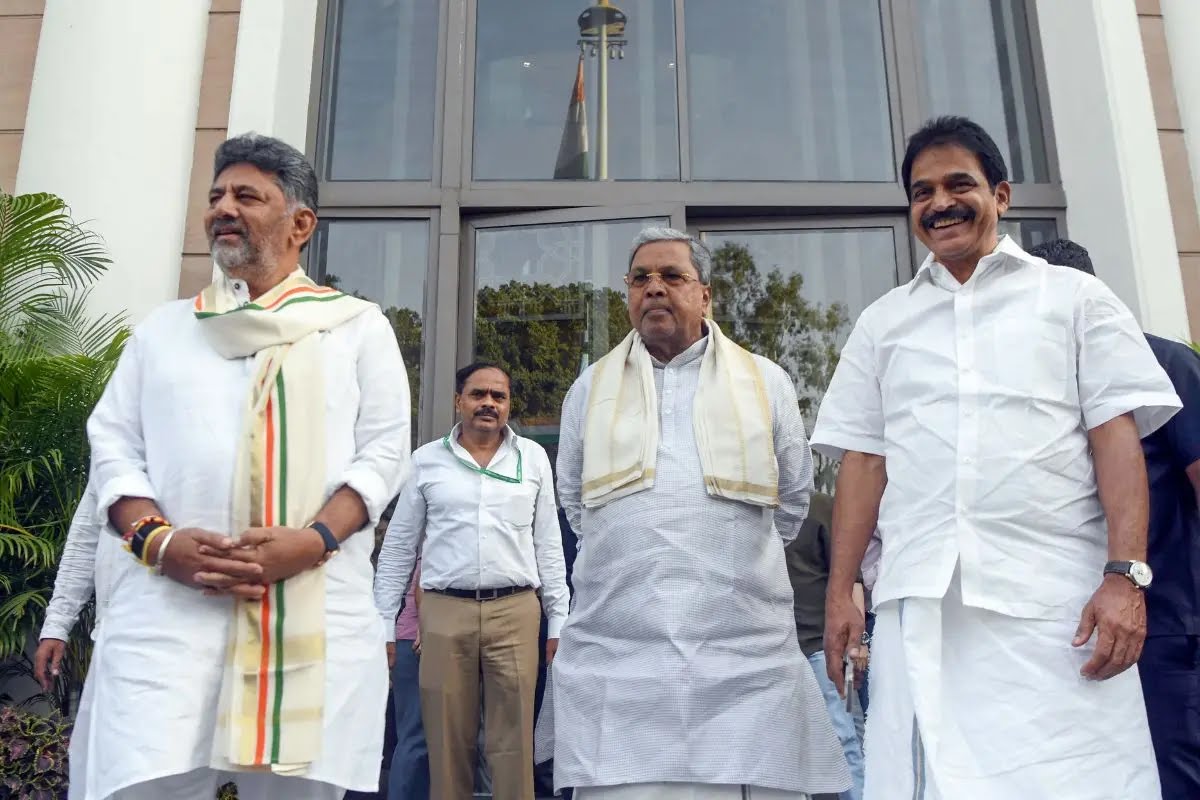
The political drama unfolded over several marathon meetings in the national capital. The high-level consultations involved Chief Minister Siddaramaiah, Deputy Chief Minister D.K. Shivakumar, Congress President Mallikarjun Kharge, and Leader of the Opposition in the Lok Sabha Rahul Gandhi. While the discussions reportedly concluded with a broad consensus on a leadership transition, the party maintained a cautious public posture.
Officially, AICC General Secretary K.C. Venugopal and other senior leaders insisted that the discussions revolved strictly around the upcoming Rajya Sabha elections, Legislative Council nominations, and party organization. However, veteran observers of Karnataka politics easily read between the lines. It was an open secret that the core of the hours-long, closed-door conversations was unmistakably about political succession, government stability, and the future face of the Congress party in Karnataka.
A Delicate Balance of Muscle and Mass Appeal
When the Congress party stormed back to power in Karnataka in 2023, its toughest battle was not fought against the opposition BJP; it was managed internally. The party relied on two distinct titans who brought contrasting strengths to the table:
• Siddaramaiah: Brought unmatched mass appeal, deep backward class (OBC) consolidation, and decades of astute administrative experience.
• D.K. Shivakumar: Brought formidable organizational muscle, financial management, relentless crisis control, and fierce loyalty to the Gandhi family.
Shivakumar was long established as the party’s ultimate “Mr. Fix-It”—the strategist who kept the Congress machinery alive and unified in Karnataka when its prospects looked grim.
The compromise formula struck in 2023 was delicate: Siddaramaiah took the Chief Minister’s mantle, while Shivakumar accepted the position of Deputy Chief Minister. Yet, the unexpressed understanding of a rotational leadership arrangement never stopped haunting the administration. Every cabinet reshuffle whisper, every summons to Delhi, and every public posturing by loyalist MLAs repeatedly reopened the leadership debate.
The Rise of Delhi’s Dependable Troubleshooter
D.K. Shivakumar’s imminent ascension to the top post reflects a deeper transformation within modern Congress politics. Moving from his roots as a gritty student leader to becoming one of the country’s most powerful political strategists, Shivakumar earned the absolute trust of the central leadership during existential political crises.
Whether it was safeguarding vulnerable legislators during crucial trust-vote battles across states or rebuilding the Karnataka Pradesh Congress Committee (KPCC) from the ground up after electoral setbacks, he emerged as New Delhi’s most dependable troubleshooter. For Shivakumar, this leadership transition represents the ultimate payoff from decades of intense political hustle and unwavering staying power.
What Lies Ahead for Siddaramaiah and Karnataka?
Siddaramaiah leaves the Chief Minister’s office as one of Karnataka’s most influential mass politicians of the last two decades. Sources indicate that the Congress high command does not want his influence to fade; instead, they have offered him a transition into national politics via a Rajya Sabha berth. In Delhi, he is expected to project a larger national OBC leadership profile as the party aligns its strategies ahead of the 2029 Lok Sabha elections.
What makes this leadership shuffle particularly significant is what it reveals about the contemporary Congress strategy. Rather than allowing a protracted internal power struggle to fracture their strongest southern bastion, the high command chose to bite the bullet and enforce a clean, structured transition. A divided state leadership would have severely weakened governance, confused grassroot cadres, and handed the opposition a potent narrative.
By intervening firmly and decisively, Delhi has prioritized long-term stability over short-term consensus. However, the real test for the incoming administration begins now. Political battles may find their resolutions in the quiet meeting rooms of Delhi, but true governance only begins after the oath of office is taken. All eyes are now on Bengaluru as the state prepares for a new era under Chief Minister D.K. Shivakumar.